DPDP Act Compliance for Businesses: Opportunities and Strategies Under the Digital Personal Data Protection Act, 2023
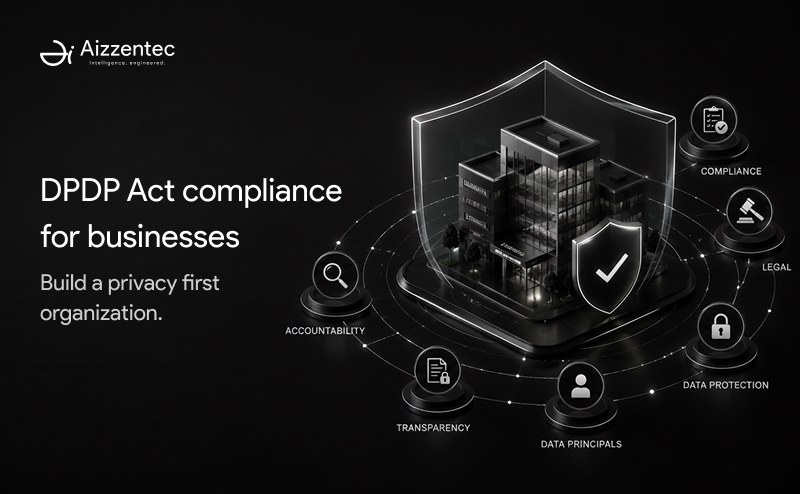
DPDP Act compliance for businesses is no longer optional — it is fast becoming the foundation of doing business in India’s digital economy. In an era where personal information is often regarded as the “new oil,” data has become a critical resource driving innovation, commerce, and governance. The flip side of this digital revolution, however, is the growing threat to individual privacy, leading nations worldwide to adopt stringent regulations to protect personal data. India’s Digital Personal Data Protection Act, 2023 (DPDPA) stands as a transformative legislation designed to address the challenges of managing personal data responsibly in the digital age.
This guide is written for business owners, compliance managers, and legal teams — from global corporations to SMEs, micro-enterprises, and sole proprietors. You will learn the core provisions of the Act, how it impacts different business categories, and a step-by-step compliance strategy you can act on during the transition period. (For a plain-language primer on the law itself, see what the DPDP Act is and who it applies to.)
Passed on August 11, 2023, the DPDPA was slated to come into effect on January 1, 2024, though the detailed rules are yet to be released — providing businesses across India with a defined transition period to align their data practices with its stringent requirements. This window offers a crucial opportunity for businesses of all sizes to embrace compliance, enhance trust, and improve their operational resilience. The Act marks a significant step in India’s regulatory framework, aiming to balance individual privacy rights with the legitimate needs of businesses and the government.
What Are the Core Provisions of the DPDP Act 2023?
The DPDPA introduces comprehensive rules for collecting, processing, storing, and transferring personal data. At its core, the Act enshrines principles of transparency, accountability, and individual empowerment. Key provisions include:
- Data Fiduciary and Data Principal Relationship The Act establishes clear roles for Data Fiduciaries (entities processing personal data) and Data Principals (individuals whose data is processed). This relationship is governed by foundational principles such as consent, purpose limitation, data minimization, and accuracy.
- Rights of Individuals Data Principals are granted rights to access their data, request corrections or erasure, and seek grievance redressal. Businesses must implement mechanisms to honor these rights efficiently.
- Consent and Processing Valid consent is central to lawful data processing under the DPDPA. Organizations must ensure that consent is informed, specific, and freely given, with the option for Data Principals to withdraw consent at any time.
- Penalties for Non-Compliance The Act imposes substantial financial penalties for data breaches and non-compliance, ranging from ₹50 crores to ₹250 crores, emphasizing the importance of robust data protection measures.
- Special Provisions for Children’s Data Strict regulations govern the processing of personal data of minors under 18, requiring verifiable parental consent and additional safeguards.
- Role of the Data Protection Board of India (DPBI) The DPBI is established as the regulatory authority overseeing compliance, investigating breaches, and addressing grievances.
Transition Period: A Strategic Window for DPDP Act Compliance
The transition period before the DPDPA’s enforcement is more than a regulatory grace period; it is a vital opportunity for businesses to build robust data protection frameworks. For a phased view of how to sequence this work against the compliance clock, see our DPDP Act implementation roadmap and deadline guide. This time allows organizations to:
- Conduct data audits to identify gaps in existing processes.
- Implement scalable compliance mechanisms suitable to their size and scope.
- Engage with stakeholders to foster transparency and trust.
How Does the DPDP Act Impact Different Business Categories?
Large Corporations and Multinational Enterprises
For tech giants, fintech firms, and ecommerce platforms, the DPDPA mandates significant overhauls in data management systems. These entities often handle vast volumes of personal and sensitive data, and their data fiduciary obligations require:
- Automated consent management systems to handle high traffic volumes.
- Appointment of Data Protection Officers (DPOs) and establishment of dedicated privacy teams.
- Enhanced cybersecurity frameworks to mitigate risks of data breaches.
DPDP Act for SMEs: Small and Medium Enterprises
SMEs, often lacking resources for extensive compliance infrastructure, face unique challenges under the DPDPA. However, the transition period offers an opportunity to:
- Adopt cost-effective tools for consent management and data security.
- Collaborate with industry associations to understand compliance requirements.
- Focus on basic compliance measures like clear data policies and privacy notices.
Micro Enterprises and Sole Proprietorships
The DPDPA’s implications for micro-enterprises and sole proprietors, who may lack technical expertise, require special attention. These entities can:
- Leverage low-cost cloud solutions for secure data storage.
- Simplify processes by maintaining manual consent records where applicable.
- Engage consultants to navigate complex compliance obligations.
Strategic DPDP Act Compliance Steps for Businesses
The steps below form the backbone of a workable compliance strategy in India; you can track them against our full DPDP Act compliance checklist.
- Conducting Comprehensive Data Audits A detailed audit of data processing activities is the first step towards compliance. Businesses must map data flows, identify sensitive data, and eliminate unnecessary data collection. This ensures adherence to the DPDPA’s principles of purpose limitation and minimization.
- Implementing Robust Consent Mechanisms Organizations must develop systems to obtain informed, explicit, and revocable consent from individuals. Transparency in explaining data usage fosters trust and compliance.
- Strengthening Data Security Frameworks With data breaches attracting severe penalties, businesses must invest in robust security measures, including:
- Encryption and pseudonymization of data.
- Advanced threat detection systems to identify vulnerabilities.
- Incident response protocols to notify the DPBI and affected individuals promptly.
- Appointing Data Protection Officers (DPOs) Significant Data Fiduciaries must appoint qualified DPOs to oversee compliance and liaise with the DPBI. Smaller organizations may assign privacy responsibilities to existing staff, provided they undergo adequate training.
- Facilitating Data Principal Rights Organizations must establish user-friendly interfaces for Data Principals to exercise their rights, such as accessing, correcting, or deleting their data.
- Conducting Privacy Impact Assessments (PIAs) High-risk data processing activities necessitate PIAs to evaluate privacy risks and implement safeguards.
- Preparing for Regulatory Audits Compliance audits by DPBI-approved auditors are a critical aspect of the DPDPA. Businesses must align internal documentation and processes to withstand scrutiny.
Children’s Data Protection: Navigating Strict Safeguards
The DPDPA imposes stringent requirements for processing minors’ data. Platforms must implement:
- Digital age-gating systems to verify user age.
- Mechanisms to obtain parental or guardian consent for minors under 18.
These provisions aim to shield children from privacy risks, imposing heightened responsibilities on businesses operating in sectors like gaming, social media, and edtech.
Government’s Role and Upcoming DPDP Regulations
While the DPDPA establishes a robust framework, several specific regulations remain under development. The government is actively drafting these rules, focusing on:
- Clarity in defining compliance requirements for MSMEs and micro-enterprises.
- Tailoring penalties and timelines to suit businesses of varying scales.
- Engaging with industry bodies for feedback and alignment.
Businesses must monitor these developments and adapt their strategies accordingly to remain compliant.
DPDP Act Timelines and Graded Implementation
Recognizing the diverse capacities of businesses, the DPDPA adopts a phased compliance timeline:
- Priority compliance for large corporations and high-volume data processors.
- Extended timelines for startups, MSMEs, and micro-enterprises to ensure minimal disruption.
This graded approach balances the need for robust data protection with the practical realities of business operations.
Conclusion
The Digital Personal Data Protection Act, 2023 represents a paradigm shift in India’s approach to data privacy. For businesses, it is not merely a legal obligation but a transformative opportunity to strengthen their data governance frameworks, enhance customer trust, and gain a competitive edge. Whether a multinational corporation or a sole proprietor, proactive DPDP Act compliance can unlock long-term benefits in a data-driven world. By leveraging the transition period effectively, aligning with the Act’s principles, and preparing for evolving regulations, businesses can position themselves as leaders in responsible data management.
Frequently Asked Questions
What is the penalty for non-compliance with the DPDP Act?
The DPDP Act imposes substantial financial penalties for data breaches and non-compliance, ranging from ₹50 crores to ₹250 crores. Penalties are levied by the Data Protection Board of India (DPBI), which oversees compliance, investigates breaches, and addresses grievances. The scale of these fines makes robust data protection measures a business-critical investment.
Who is a Data Fiduciary under the DPDP Act 2023?
A Data Fiduciary is any entity that processes personal data, while a Data Principal is the individual whose data is processed. The relationship between the two is governed by foundational principles such as consent, purpose limitation, data minimization, and accuracy. Significant Data Fiduciaries carry additional obligations, including appointing a qualified Data Protection Officer.
Does the DPDP Act apply to small businesses and SMEs?
Yes — the DPDP Act applies to businesses of all sizes, from multinational corporations to micro-enterprises and sole proprietors. SMEs can meet their obligations with cost-effective consent management and security tools, clear data policies, and privacy notices, while micro-enterprises may maintain manual consent records where applicable and use low-cost cloud solutions for secure storage.
What are the DPDP Act rules for children’s personal data?
Processing the personal data of minors under 18 requires verifiable parental or guardian consent and additional safeguards. Platforms must implement digital age-gating systems to verify user age, with heightened responsibilities for sectors like gaming, social media, and edtech.
How should businesses start their DPDP Act compliance journey?
Start with a comprehensive data audit: map data flows, identify sensitive data, and eliminate unnecessary collection. Then build robust consent mechanisms, strengthen data security (encryption, threat detection, incident response), facilitate Data Principal rights, conduct privacy impact assessments for high-risk processing, and prepare documentation for regulatory audits.
Key Takeaways
- The DPDP Act, 2023 — passed on August 11, 2023 — is India’s transformative data protection law, balancing individual privacy rights with legitimate business and government needs.
- Non-compliance penalties range from ₹50 crores to ₹250 crores, enforced by the Data Protection Board of India.
- Compliance obligations apply to every business category, with large enterprises needing automated consent systems and DPOs, while SMEs and micro-enterprises can adopt scaled-down, cost-effective measures.
- The transition period is a strategic window: use it for data audits, consent architecture, security upgrades, and audit-ready documentation.
- Children’s data (under 18) demands verifiable parental consent and age-gating, especially in gaming, social media, and edtech.
- Proactive compliance is a competitive advantage — it builds customer trust and positions your business as a leader in responsible data management.
References
- Digital Personal Data Protection Act, 2023, Ministry of Electronics and Information Technology, India.
- Supreme Court of India, K.S. Puttaswamy v. Union of India, (2017) 10 SCC 1.
- Data Security Council of India (DSCI) Guidelines on Data Privacy, 2023.
- Government of India, Press Information Bureau, August 2023.